Pure Organic
100% Pure
Shea Butter
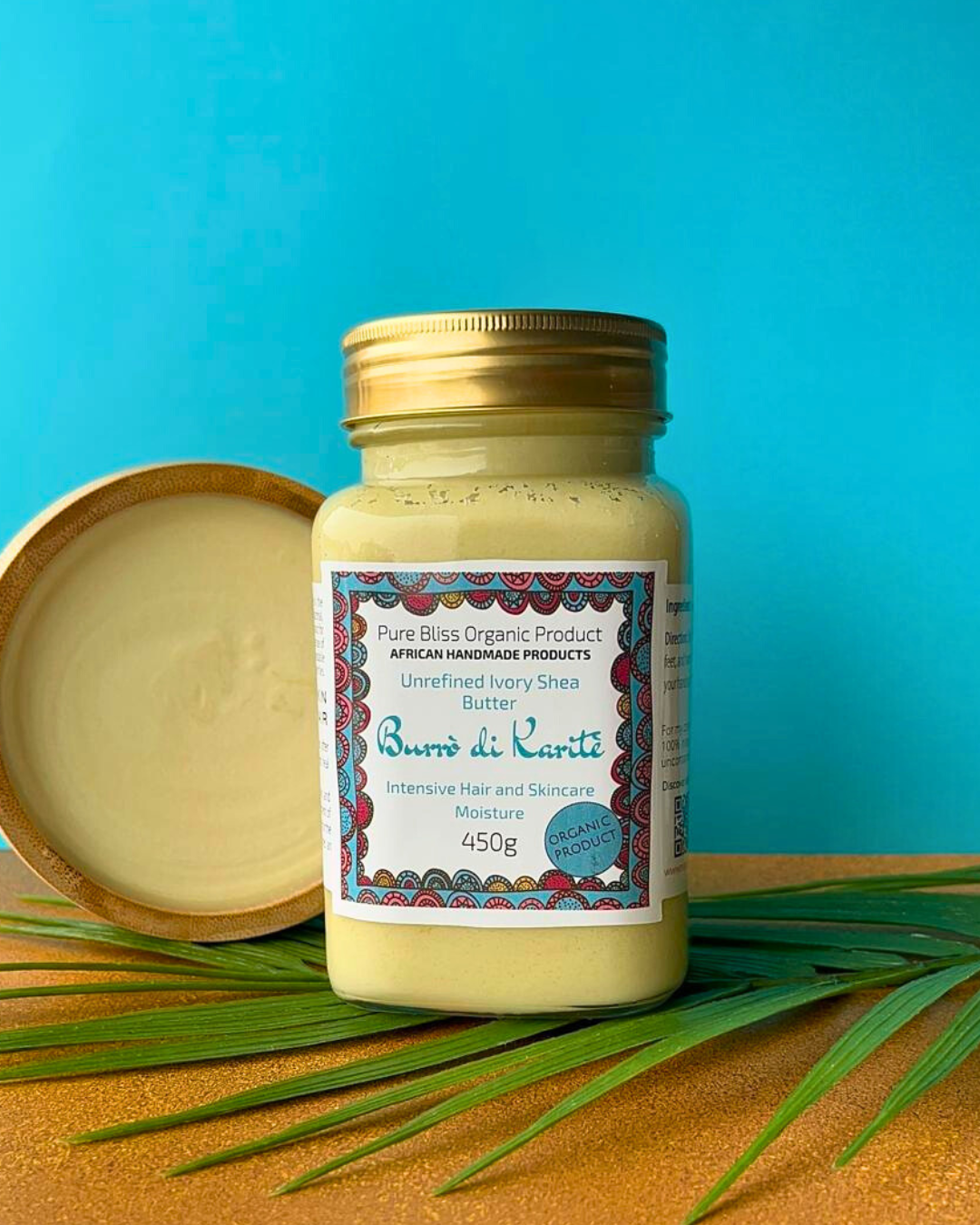
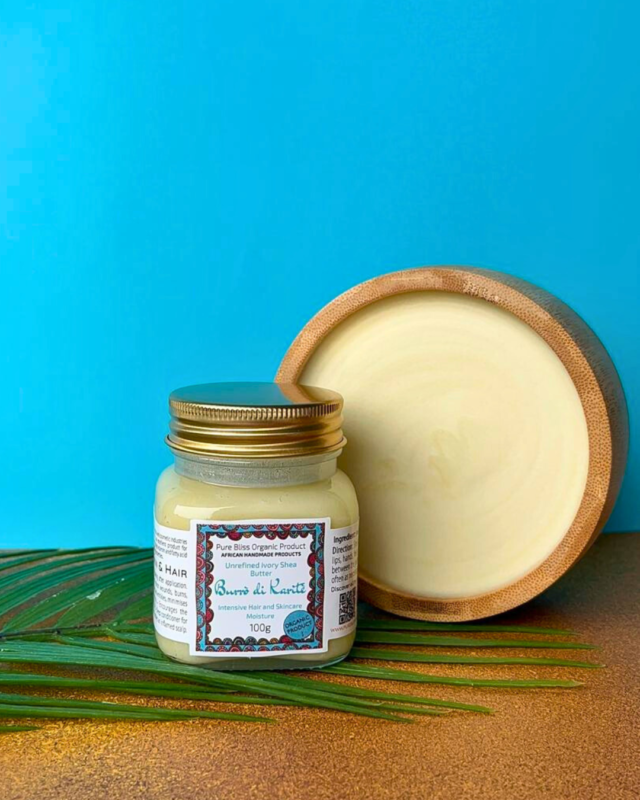
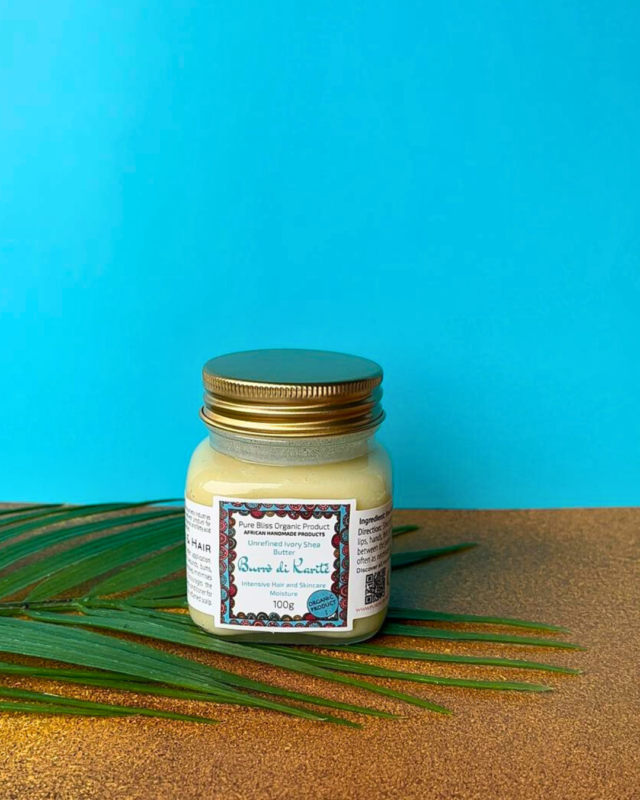
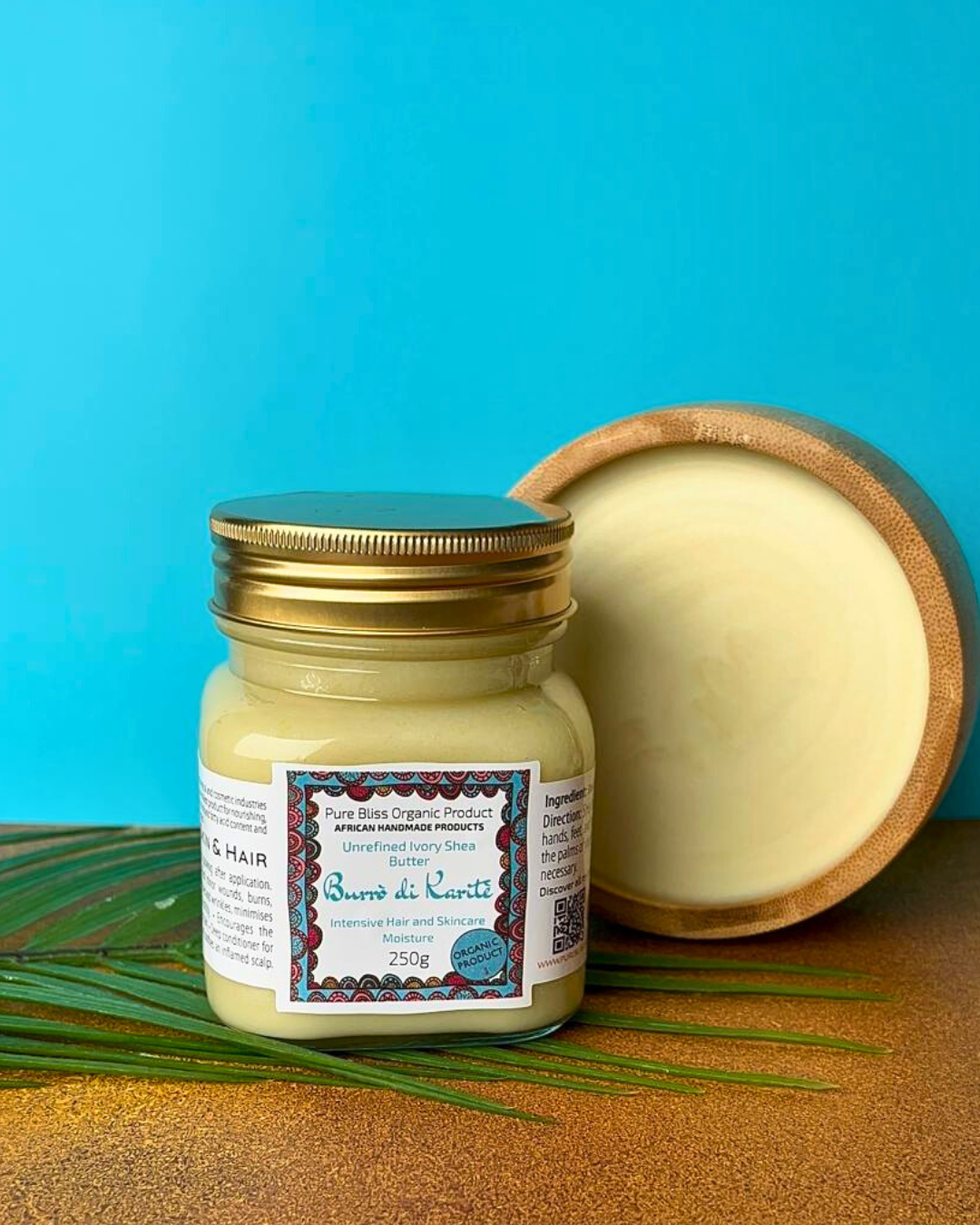
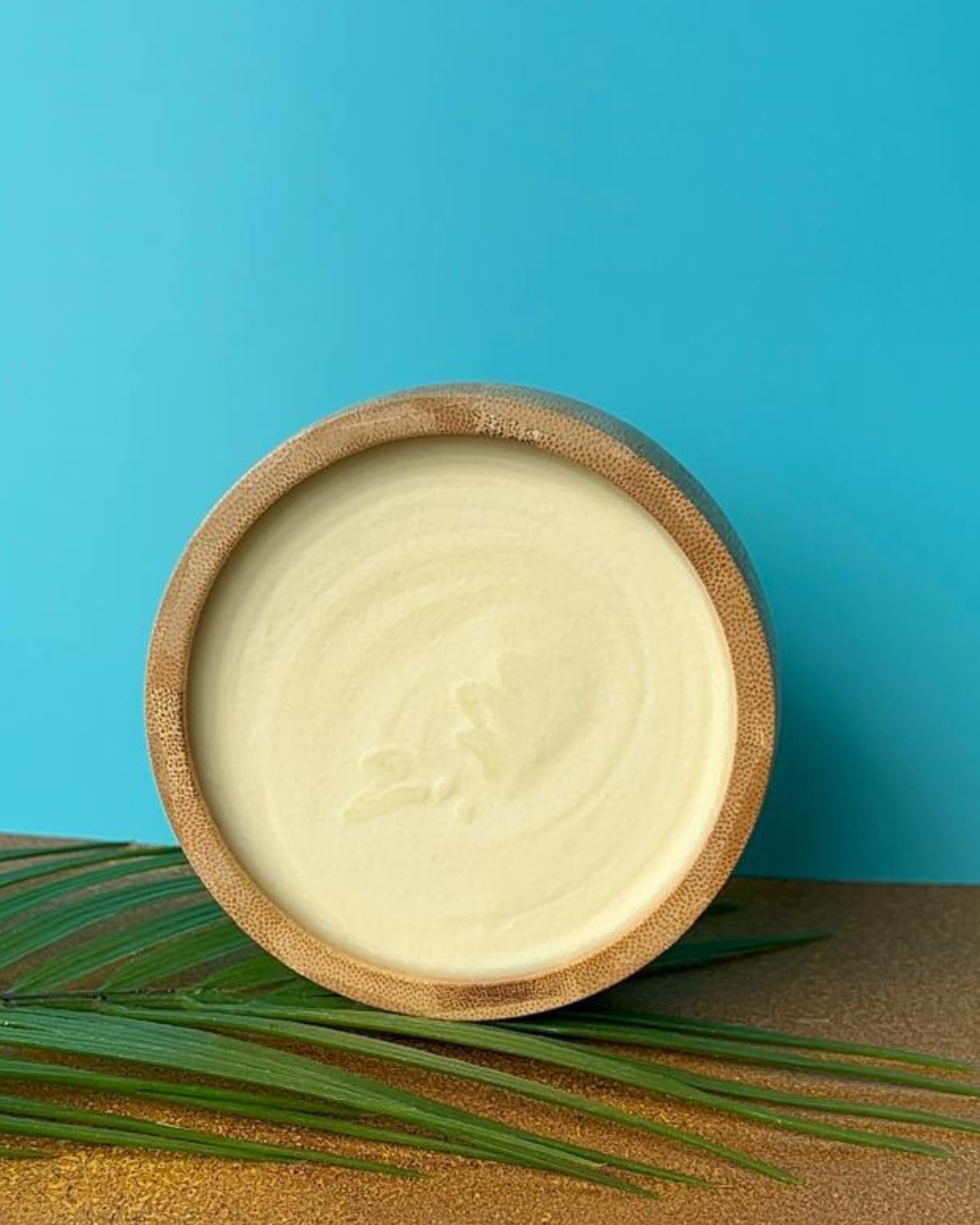
Rich, creamy, and vitamin-packed. Comforts dry, sensitive-looking skin and leaves it smooth and glowing—also ideal as a deep conditioner for hair and beard.
Shea Butter
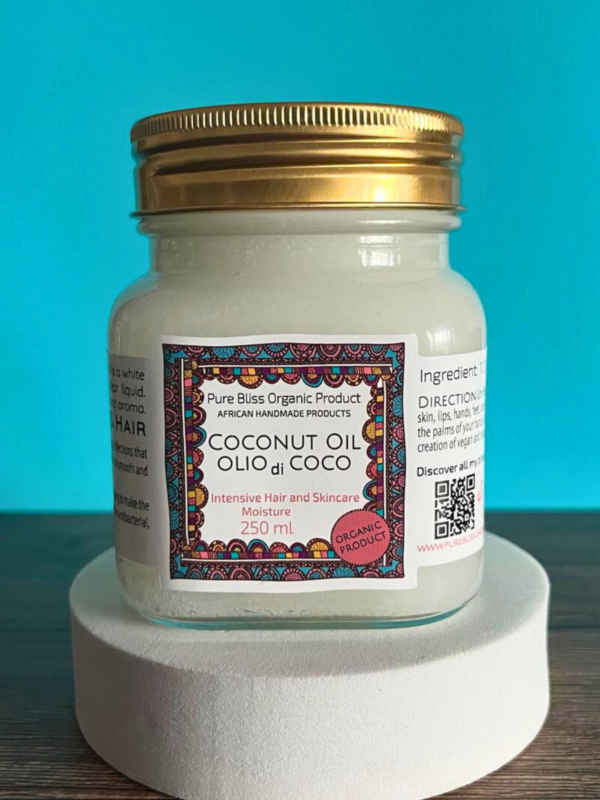
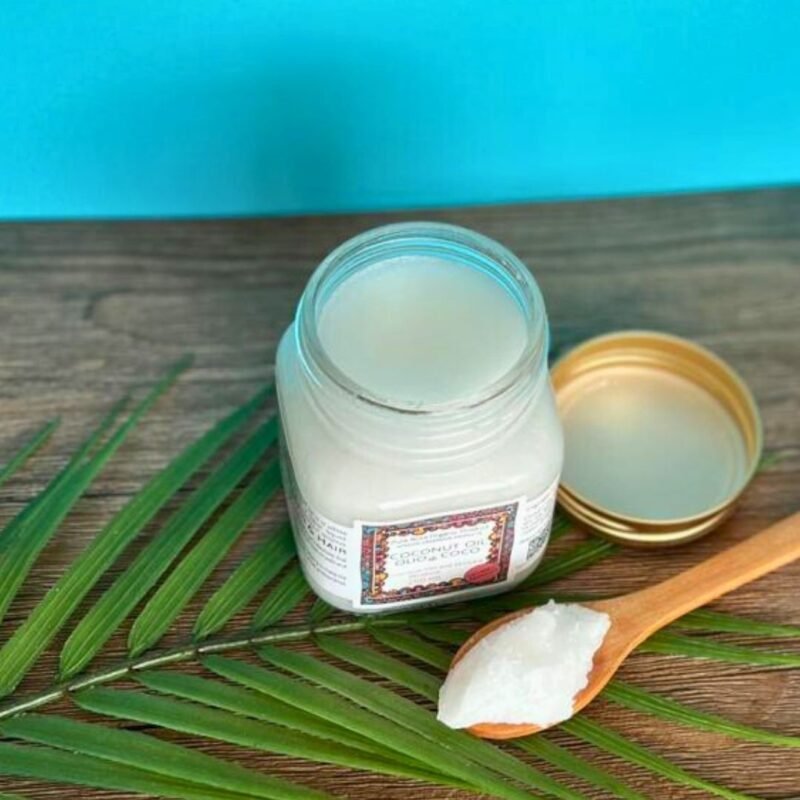
Organic Coconut Oil
CHF8.26 – CHF120.61Price range: CHF8.26 through CHF120.61SHEAR BUTTER
Shea butter is the oleaginous material obtained from the kernel of the shea nut tree, Vitellaria paradoxa. It is a vegetable fat extracted from the kernels of the fruit, which are found in the savannah regions of West and Central Africa.
it is also a versatile natural product that has been used for a wide range of purposes in different regions of Africa for ages. It is a precious shea nut fat used in the culinary, pharmaceutical, and cosmetic industries as an antibacterial, moisturising agent, and edible oil in Africa. It's an excellent product for nourishing, relaxing, and conditioning your skin because of its high vitamin and fatty acid content and spreadable consistency. Shea butter has hydrating properties.
The shea tree has earned the names "Tree of Life" and "Mother Nature's Conditioner" for its outstanding moisturising and smoothing qualities as well as its capacity to treat a variety of skin, hair, and health ailments.
The origen of this all hand made Ivory shea butter is from Navrongo-Ghana
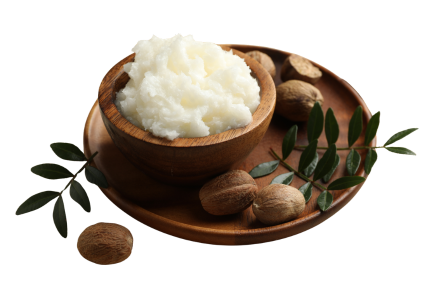
Advantages of Shea Butter
for your Skin and Hair
These advantages are related to the fatty acid composition of shea, which includes linoleic, oleic, stearic, and palmitic acids. High quantities of linoleic and oleic acids are present in shea butter. Each of these two acids counteracts the other. As a result, shea butter is easy for your skin to totally absorb and won't leave your skin looking greasy following use.
Benefits Of Shea butter For skin:
All skin types can benefit greatly from shea butter's exceptional moisturizing properties. It has high levels of vitamins and fatty acids, which assist to moisturize and nourish the skin, leaving it supple and soft.
Eczema, psoriasis, and dermatitis are just a few of the dry skin disorders that can be soothed and treated using shea butter. Redness and itching may be lessened because to this substance's anti-inflammatory characteristics.
Anti-aging
Shea butter contains antioxidants that can aid in defending the skin against free radical damage, which can hasten the aging process. It can aid in lessening the visibility of wrinkles and fine lines.
Sun protection
Shea butter has a natural SPF of about 6, which makes it a good natural sunscreen for low-level sun exposure.
Wound healing
Shea butter has anti-inflammatory and antibacterial properties that can help promote wound healing and prevent infection.
Lip balm
Shea butter can be used as a natural lip balm to moisturize and protect the lips from dryness and cracking.
Benefits Of Shea Butter For Hair:
Used in hair, shea butter moisturises and nourishes from root to tip, thereby protecting against dryness and brittleness. It can repair, prevent, or reduce damage caused by environmental elements or heat styling. As with the rest of the body, shea butter rapidly penetrates the scalp to offer moisturiser without leaving a sticky, greasy residue, thereby leaving the scalp free from itchiness, irritation, and dandruff.
Maintain the softness, suppleness, and radiance of the hair.
Stimulate the growth of thicker, longer, and stronger hair.
Eliminate dandruff and thereby support hair growth.
Soften hair without leaving a greasy or sticky residue.
Shea butter can be applied to the hair to nourish and moisturise it, especially if it is dry or damaged. The hair will become healthier and easier to manage by reducing breakage, split ends, and frizz.
Production process and procedure
There are basically two methods employed in the production of shea butter: the traditional manual method and the mechanical method.
Traditional Manual method: The Shea nut processing actually begins at the level of gathering/picking nuts from the wild, also known as shea fruit harvesting. In the Shea communities, women engage in it. Through a wet extraction method, butter is extracted from the nut. Shea fruit, the outer pulp of the berries, is consumed during harvest or parboiled to remove the pulp. The finished nut is parboiled and then dried.
The kernel is removed by pounding and later roasted in a large frying pot. The fried kernels are later pounded and ground in wooden mortars to a paste or milled using an attrition mill. The milled Shea kernel is then thoroughly stirred or mixed with water vigorously to break the emulsion and separate the fat. By cooking the mixed paste the oil floats to the surface and is then skimmed off. There is an alternative processing method that skips some of these steps. This method does not use water for extraction of butter, rather utilise oil expelling machine. Immediately the kernel is milled into paste, the resultant paste is introduit into the expelling machine which will separate the Shea butter in form of oil from the paste.
The outputs of this process are Shea butter in form of oil and Shea cake. The advantages of this method over water extraction are ; it shortens the steps/stages of processing using water, reduces frequency of hands contact with butter which reduces risk of contamination. However the water extraction method still adjudges the simplex, cost effective because it’s being power by small power machine and produces best butter quality.
The traditional manual water extraction processing steps can be summarized as follows:
Before being crushed, the shea kernel is rinsed. A crucial step in the processing procedure is washing. Washing raises the butter's appeal on the market by improving its appearance and, consequently, quality. As a result, they considered washing as a crucial step in the production process.
The crushing of the raw kernel beans is performed to obtain small-sized grits for effective roasting. This activity is highly labour-intensive for the women, who pound in turns. The more elderly women processors dread this activity as it requires considerable physical strength.
The purpose of roasting the kernel grits is to make oil extraction simpler. The grits are often heated to extremely high temperatures and churned constantly until they become a uniform brown tone. In order to prevent the grits from burning, much care is taken. Burning butter degrades its quality and makes it potentially more difficult to sell.
The milling is done to turn the roasted grits into paste so that they can be kneaded. This is done in two steps: first, they are ground into a coarse paste by using a mortar and pestle while working in small batches. The second step is using a grinding stone to reduce the coarse paste to a finer paste.
This activity is also called the beating stage. The paste is rigorously and continuously stirred, while warm water is continuously added until butter begins to appear on top as a white, fluffy substance.
Crude butter solidification and heating
Separated, white, fluffy crude butter is heated in an iron or frying pot while being stirred. The water quickly evaporates, and the solid fluff that has been melted briefly boils as oil. Because any type of overcooking could burn the oil, which affects the finished appearance of the producing butter and thus impacts its marketing potential, a great deal of caution is required in this process. Impurities are sieved out of the boiling oil before it is decanted and allowed to harden over night. Now, the butter that has solidified is packaged for wholesale buyers or ready for the retail market.
In general, shea butter is a flexible and natural substance that has a number of advantages for the skin and hair.